
 Cart
Cart



Key Takeaways
- The nose is naturally more susceptible to congestion. As part of the T-zone, it tends to produce more sebum, while visible pores in this area can make blackheads particularly noticeable.
- Blackheads are not trapped dirt. They are open comedones containing sebum and dead skin cells. The material darkens when exposed to air through oxidation.
- Recurring blackheads don't necessarily mean you aren't cleansing properly. Oil production, hormones, genetics, skincare habits and environmental exposure can all contribute to congestion.
- Over-cleansing isn't the solution. A routine that balances effective cleansing and exfoliation with adequate hydration and skin-barrier care can be more helpful than repeatedly stripping oil from the skin.
- Pores cannot permanently be "closed" or shrunk. Keeping them clear of congestion can, however, make them appear less prominent.
- Blackheads can return after successful removal. Because the skin continues producing sebum and shedding cells, managing blackheads is an ongoing process rather than a one-time fix.
- Professional extraction is about more than squeezing a pore. Appropriate skin preparation, therapist technique and post-extraction soothing care all influence how effectively and comfortably congestion can be cleared.
If you feel like your nose is constantly dotted with tiny black specks, you’re not alone. The nose is notorious for being a blackhead hotspot, and many people find that no matter how often they cleanse or exfoliate, the congestion returns. The truth is that the nose has a unique combination of pore structure, oil production, and environmental exposure that makes it especially prone to blackheads. By understanding the causes, you can better manage and minimise them with the right skincare approach.
In this guide, we explore why the nose attracts blackheads, the lifestyle habits that worsen them, and the professional treatments that can help keep your pores clean and refined.
About This Guide
Blackheads on the nose can be frustrating because they often seem to return no matter how carefully you cleanse or exfoliate. This guide explains why the nose is particularly prone to blackheads, what is actually happening inside a clogged pore, and why those tiny dark spots are not simply a sign that your skin is dirty.
The guide looks at several factors that can contribute to recurring nose blackheads, including higher oil production in the T-zone, naturally more visible pores, hormonal fluctuations, environmental exposure and cleansing habits. It also explores practical ways to manage congestion through appropriate cleansing, exfoliation, hydration and professional extraction treatments. Importantly, the article explains that pores cannot permanently stop producing oil, so the realistic goal is to manage recurring blackheads and keep congestion under control, rather than expecting to eliminate them forever.
Who Is This Guide For?
This guide is especially useful for anyone who regularly notices blackheads or congestion around the nose and wonders why this particular part of the face seems more difficult to keep clear. It is also helpful for people who are unsure whether the dark dots on their nose are caused by dirt, those who find that blackheads quickly return after removal, and readers looking for a more sustainable approach to managing oily or congested skin.
It will also be useful if you are considering a professional extraction facial in Singapore and want to understand how professional pore cleansing differs from trying to squeeze blackheads at home. The guide explains the importance of preparing congested skin before extraction and following the process with calming and hydrating care.
What Exactly Are Blackheads?
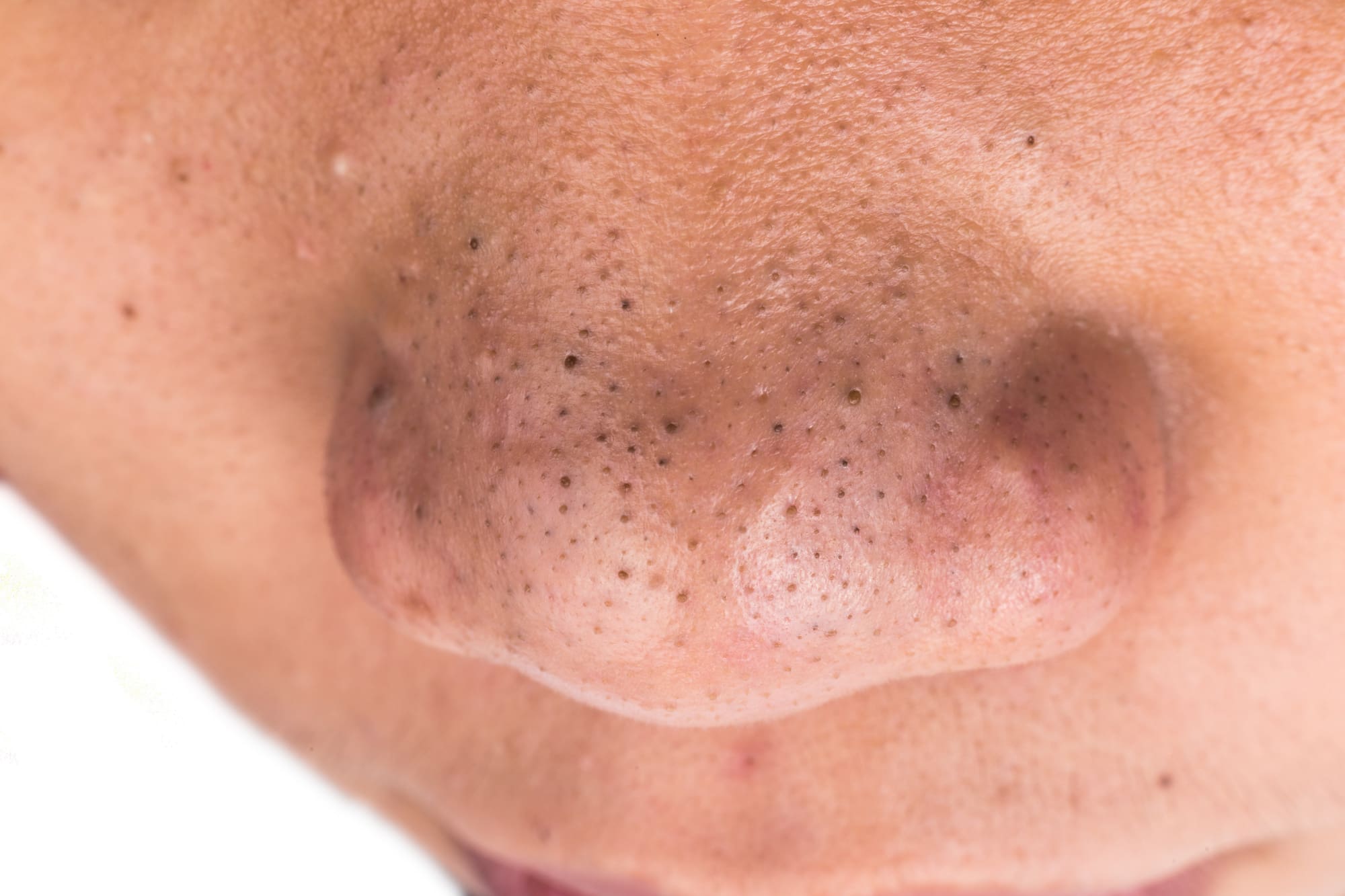
Blackheads, or open comedones, form when excess oil, dead skin cells, and impurities build up inside a pore. Unlike whiteheads, blackheads remain open at the surface. When the trapped material is exposed to air, it oxidises and darkens—resulting in the characteristic black appearance.
This oxidation process means blackheads are not caused by dirt. They’re simply the result of natural skin buildup reacting with oxygen.
Why Is the Nose So Prone to Blackheads?
Higher Oil Production in the T-Zone
Your nose belongs to the T-zone, the oiliest region of the face. It contains a higher density of sebaceous glands, which produce sebum to moisturise the skin. When sebum production increases—whether due to climate, hormones, or genetics—it easily accumulates inside pores on the nose. Men often notice this more because their skin tends to be oilier, which is why a men’s facial in Singapore focuses on deep cleansing and oil control.
Larger and Deeper Pores
The pores on the nose are naturally larger and deeper to accommodate more oil. Larger pores are easier to clog, more visible when congested, and more prone to oxidation.
Greater Exposure to Pollution
Because the nose protrudes, it naturally catches more dust, pollutants, and airborne particles throughout the day. These impurities mix with sebum and dead skin cells, accelerating blackhead formation.
Hormonal Fluctuations and Stress
Changes in hormones—especially around your menstrual cycle—can increase sebum production. Stress also stimulates cortisol, which triggers more oil production and slows down skin healing. Both factors often make blackheads worse specifically around the nose.
Insufficient or Incorrect Cleansing
Many people cleanse quickly without focusing on the creases and corners of the nose. Makeup, sunscreen, and sweat residue commonly accumulate in this area. If not removed properly, they settle inside pores and oxidise.
Habits That Make Nose Blackheads Worse
Blackheads can worsen when certain habits disrupt your skin’s balance. Touching your face frequently transfers oils and bacteria to your nose, contributing to clogged pores. Using comedogenic makeup or skincare ingredients without proper removal can also intensify buildup.
Skipping exfoliation leads to dead skin cell accumulation, trapping oil beneath the surface. Surprisingly, dehydration is another culprit—when the skin lacks proper hydration, it overcompensates by producing more oil, which creates even more congestion.
How to Prevent Blackheads on the Nose
Preventing blackheads on the nose is less about trying to eliminate oil completely and more about keeping excess sebum, dead skin cells and other debris from accumulating inside the pores. Because the nose naturally tends to be oilier than many other areas of the face, blackheads can return even after they have been successfully removed.
A consistent routine that combines gentle cleansing, appropriate exfoliation, hydration and occasional deep cleansing can help reduce how frequently blackheads develop. The key is balance. Over-cleansing or aggressively exfoliating the nose can irritate the skin barrier without addressing the underlying reasons pores repeatedly become congested.
Cleanse Thoroughly Without Stripping the Skin
Daily cleansing is the foundation of blackhead prevention. Throughout the day, sebum can mix with sunscreen, makeup, dead skin cells and environmental debris on the skin. Removing this build-up helps reduce the amount of material that can eventually contribute to clogged pores.
However, stronger isn’t necessarily better. Harsh cleansers that leave the skin feeling extremely tight or dry can disrupt the skin barrier and cause irritation. Choose a gentle cleanser that removes excess oil and impurities without leaving the skin uncomfortable.
If you regularly wear makeup or water-resistant sunscreen, thorough evening cleansing becomes particularly important. Some people may find that a suitable double-cleansing routine helps remove these products more effectively, although the right approach will depend on your skin type and the products you use.
Use Salicylic Acid to Help Keep Pores Clear
Salicylic acid is one of the most commonly recommended skincare ingredients for blackheads because it is a beta-hydroxy acid (BHA) that can help exfoliate within oily pores. This makes it particularly useful for areas such as the nose and T-zone, where congestion tends to occur more frequently.
Regular, appropriate use can help reduce the accumulation of dead skin cells and oil that contributes to comedones. However, using salicylic acid too frequently or combining several exfoliating products at once can cause dryness and irritation.
More exfoliation does not necessarily mean fewer blackheads. Consistency and tolerability matter more than using the strongest product available.
Consider Niacinamide for Oily or Congestion-Prone Skin
Niacinamide is another useful ingredient for people concerned about oily skin and visible pores. It can support the skin barrier and may help with the appearance of excess oil and uneven texture.
Niacinamide does not physically remove an existing blackhead in the way professional extraction can. Instead, it can form part of a longer-term skincare routine designed to keep the skin balanced and reduce some of the conditions that contribute to recurring congestion.
This distinction is important because many products marketed as “pore minimisers” create unrealistic expectations. Skincare can improve the appearance of pores, but it cannot permanently erase them.
Don’t Forget Hydration
It might seem counterintuitive to moisturise an oily nose, but oily skin still needs adequate hydration.
Trying to dry out blackheads by avoiding moisturiser or repeatedly using oil-removing products can leave the skin barrier irritated and dehydrated. Instead, choose hydration appropriate for your skin type. Lightweight moisturisers and hydrating ingredients such as hyaluronic acid can help maintain comfortable hydration without making the complexion feel unnecessarily heavy.
The aim isn’t to make the nose completely oil-free. Sebum is a normal part of healthy skin. The goal is to maintain a better balance so that excess oil and dead skin cells are less likely to accumulate inside the pores.
Use Clay Masks as Occasional Oil-Control Support
Clay masks can be useful for temporarily absorbing excess surface oil, particularly around the nose and T-zone. For people with oily or combination skin, incorporating a clay mask occasionally may help the skin feel cleaner and less greasy.
However, clay masks should be treated as a supporting step rather than a permanent solution for blackheads. They cannot remove every blockage from deep within a pore, and using highly absorbent masks too frequently may leave some skin types dry or irritated.
If your cheeks are dry but your nose becomes oily, you can also apply the mask only to the T-zone rather than covering the entire face.
Avoid Squeezing Blackheads at Home
When a blackhead becomes particularly visible, squeezing it can be tempting. The problem is that applying excessive pressure with your fingers or nails can irritate the surrounding skin and may not remove the blockage completely. Repeated picking can also contribute to inflammation and post-inflammatory marks.
For stubborn or deeply congested pores, professional extraction may be a better option. An experienced therapist can assess which areas are suitable for extraction, prepare the skin beforehand and use controlled techniques to clear congestion while minimising unnecessary trauma.
Be Careful With Pore Strips
Pore strips can create satisfying immediate results because they remove material from the surface of the nose. However, they don’t address why the pore became congested in the first place, which is why the dark dots often seem to return. They can also remove sebaceous filaments, which are normal structures that help move sebum through the pore and are particularly noticeable on the nose.
If blackheads repeatedly return despite pore strips, focusing on consistent pore maintenance through cleansing and appropriate exfoliation is generally more useful than repeatedly trying to pull material from the surface.
How My Cozy Room Treats Nose Blackheads

At My Cozy Room, our award-winning Ultimate Pore Extraction Facial is specifically designed to clear and refine congested skin, especially around the nose where buildup is most stubborn.
Our signature 22-step process includes a targeted combination of deep cleansing techniques and pampering touches for maximum results:
We begin with a lactic and enzyme softening mask that gently loosens hardened debris inside congested pores. This ensures that extractions are not only effective but also significantly more comfortable.
Next, we perform pain-free (!) manual extractions using precise, dermatologist-approved techniques. Our therapists are trained to remove even the most stubborn blackheads on the nose without causing trauma, redness, or scarring.
To soothe and heal the skin afterward, we apply soothing masks, Coolight Therapy, and hydrating serums to calm inflammation, minimise pore appearance, and replenish moisture.
P.S. My Cozy Room’s Ultimate Pore Extraction Facial is the only extraction facial in the world that combines clinical-level results with luxurious pampering touches—making it both highly effective and deeply relaxing.
Do Nose Blackheads Ever Go Away Permanently?
Unfortunately, no. Blackheads cannot be removed permanently because your pores naturally continue to produce oil and shed dead skin cells. Even after professional extractions, new blackheads can form over time.
The good news is that they can be effectively managed. A consistent skincare routine, combined with regular professional extraction facials, helps keep pores clear, minimise congestion, and maintain smoother, healthier-looking skin. The goal isn’t to eliminate blackheads forever—it’s to prevent them from building up and becoming more noticeable.
Final Thoughts
If you’ve ever wondered why blackheads insist on appearing on your nose, the answer lies in your skin’s structure, oil production, and daily environmental exposure. Once you understand these factors, managing them becomes easier. Through targeted at-home care and professional extraction facials like the Ultimate Pore Extraction Facial at My Cozy Room, you can dramatically reduce congestion and prevent blackheads from taking over your T-zone.
Clearer, brighter, and more refined-looking skin is absolutely achievable—with the right combination of science-backed skincare and expert treatment.
Try Our Award-Winning Extraction Facial Today!
My Cozy Room is thrilled to share that our Ultimate Pore Extraction Facial has been crowned the Reader’s Choice Award Winner at the Beauty Insider Spa & Salon Awards 2025. Organised by Beauty Insider Singapore, the Spa & Salon Awards celebrate excellence in the beauty and wellness industry across Singapore and the region. Each award recognises treatments that stand out for their innovation, proven results, exceptional client satisfaction, and overall spa experience.
FIRST-TIME CUSTOMERS enjoy the award-winning Ultimate Pore Extraction Facial for only $144 (U.P. $338).
Exclusively for Singaporeans, PRs, and valid pass holders. Price is before 9% GST.
WhatsApp 8666 0030 to book your appointment today!
Keep up with My Cozy Room’s latest updates and promotions by following us on our social media pages:
Facebook | Instagram | Youtube | Lemon8

More from The Cozy Journal