
 Cart
Cart



Key Takeaways
- Professional facial extractions may cause mild discomfort, but they should never involve excessive or prolonged pain. Pain is not a measure of how effective the treatment is.
- The condition of your skin plays a major role in how comfortable extractions feel. Long-standing congestion, inflamed acne and sensitive skin naturally require a gentler approach.
- Proper skin preparation makes a significant difference. Softening the skin before extraction allows clogged pores to be cleared more efficiently with less pressure and less trauma.
- A skilled therapist knows when to stop. Not every blackhead or clogged pore needs to be removed in a single session. Protecting the skin barrier is more important than forcing every blockage out.
- Gentle extraction techniques often lead to better long-term results. Minimising unnecessary irritation helps the skin recover faster while reducing the risk of redness, pigmentation and scarring.
- Healthy skin is built through consistency, not one aggressive facial. Regular professional treatments combined with the right home skincare routine are usually the most effective way to maintain clearer, healthier skin over time.
- Choosing an experienced facial spa matters. A good therapist doesn't simply perform extractions—they assess your skin, customise the treatment and recommend aftercare that supports long-term skin health.
If you’ve ever read reviews of facial spas in Singapore, you’ve probably noticed one topic appears again and again: painful extractions.
Some people describe tears streaming down their faces. Others say they dreaded every appointment because they knew the squeezing was coming. There are even people who believe that if an extraction doesn’t hurt, it probably wasn’t done properly.
Professional facial extractions can feel uncomfortable, particularly when clearing long-standing congestion, but they should never feel unnecessarily aggressive. Severe pain isn’t proof that your pores are cleaner, nor is it a sign that the therapist is being more thorough. More often than not, excessive pain points to skin that hasn’t been adequately prepared, congestion that isn’t ready to be removed, or extraction techniques that rely too heavily on force instead of precision.
Understanding why extractions sometimes hurt—and why they often don’t have to—can help you choose better treatments, manage your expectations and care for your skin more confidently.
About This Guide
Facial extractions remain one of the most misunderstood parts of professional skincare. While they’re designed to remove blackheads, whiteheads and clogged pores, many people still associate them with redness, bruising and prolonged soreness.
In this guide, we’ll explain why extractions can sometimes feel uncomfortable, when pain is actually a warning sign rather than a normal part of treatment, how modern extraction techniques reduce unnecessary trauma and what you should expect from a well-performed extraction facial.
Who Is This Guide For?
This guide is especially helpful if you:
- Have been avoiding extraction facials because you’re worried they’ll be painful.
- Have experienced painful extractions in the past.
- Frequently struggle with blackheads, whiteheads or clogged pores.
- Want to understand what separates a gentle extraction facial from an overly aggressive one.
- Are looking for a facial treatment that prioritises both results and skin health.
What Facial Extractions Actually Do
Despite their reputation, facial extractions have a very straightforward purpose.
Every day, your pores collect a mixture of oil, dead skin cells and environmental debris. Over time, these materials can become trapped inside the pore, forming blackheads, whiteheads and other types of congestion. Left untreated, these blockages may contribute to recurring breakouts and uneven skin texture.
A professional extraction removes this trapped congestion while causing as little disruption to the surrounding skin as possible. The objective is to clear the pore safely, allowing the skin to heal with minimal inflammation.
This distinction is important because many people mistakenly associate pain with effectiveness. In reality, a successful extraction is measured by how well your skin recovers afterwards—not by how uncomfortable the treatment felt.
Why Do Facial Extractions Feel Uncomfortable?
Not every extraction feels the same: some congested pores clear easily with very little pressure, while others require more patience because the blockage has been building up over weeks or even months.
Several factors influence how comfortable an extraction feels.
Long-Standing Congestion
One of the most common reasons extractions feel more uncomfortable is that the blockage has become deeply compacted.
As sebum sits inside the pore, it gradually oxidises and hardens. Older congestion naturally requires more careful manipulation than freshly formed blockages, particularly around oilier areas such as the nose, chin and jawline.
Skin That Hasn’t Been Properly Prepared
Preparation often determines whether an extraction feels relatively comfortable or unnecessarily painful.
Professional facials don’t begin with extraction immediately. Instead, the skin should first be cleansed, softened and hydrated so that congestion loosens naturally before removal. Well-prepared pores require significantly less pressure during extraction.
Inflamed Acne
Not every blemish should be extracted. Inflamed acne is already sensitive because the surrounding tissue is irritated. Attempting to force these lesions can increase discomfort while also prolonging healing and increasing the likelihood of post-inflammatory marks.
Individual Skin Sensitivity
Everyone experiences discomfort differently. People with compromised skin barriers, dehydrated skin or naturally sensitive skin may notice more tenderness during treatment, even when the therapist uses excellent technique.
This is why every facial should be adapted to the client’s skin rather than following exactly the same approach for everyone.
Should Facial Extractions Actually Hurt?
The honest answer is that some pressure or mild discomfort can be completely normal, particularly when clearing stubborn congestion.
However, sharp pain, repeated squeezing in the same area or lingering soreness long after the appointment shouldn’t be considered a sign of a successful facial.
When extractions are performed patiently, the skin is properly softened beforehand and the therapist understands when to stop, discomfort is usually brief and manageable. Most redness settles within hours or by the following day, leaving skin that feels cleaner rather than bruised.
Why “No Pain, No Gain” Is One of the Biggest Facial Myths
For years, many people have accepted the idea that a painful extraction must be a thorough one. If the therapist isn’t pressing hard enough, surely they aren’t removing everything from the pores.
It’s an understandable assumption, but it’s not how professional extractions work. A skilled therapist isn’t trying to remove every single blockage in one appointment at any cost. Instead, the goal is to clear as much congestion as the skin can comfortably tolerate while keeping inflammation and trauma to a minimum.
Trying to force stubborn congestion out before it’s ready often creates more problems than it solves. Excessive pressure can leave the skin red for days, increase swelling and, in some cases, contribute to broken capillaries or post-inflammatory pigmentation, particularly in individuals with sensitive or darker skin tones.
Professional skincare has gradually moved away from the idea that aggressive treatment produces better results. Today, the emphasis is on achieving healthier skin through consistent care rather than dramatic but overly harsh procedures.
What Makes an Extraction Gentle Yet Effective?
When people say they had a surprisingly comfortable extraction facial, it usually isn’t because they had fewer extractions performed.
More often, it’s because the treatment was carefully planned from beginning to end.
Preparation is one of the most important parts of the process. Before any extraction begins, the skin should be thoroughly cleansed and softened so that blockages can be removed with significantly less resistance. Attempting to extract hardened congestion from dry, unprepared skin almost always requires more force than necessary.
Technique also matters! Rather than squeezing repeatedly in the same spot, experienced therapists know how to adjust the angle, direction and amount of pressure based on the individual pore. Sometimes a blockage simply isn’t ready to come out safely. Knowing when to stop is just as important as knowing how to extract.
After the extraction is complete, calming the skin becomes equally important. Cooling treatments, soothing ingredients and anti-inflammatory technologies help reduce redness and support recovery so that the skin can heal comfortably.
When all of these steps work together, clients often find that the treatment is far less intimidating than they expected. Before choosing a facial in Singapore, ask how the skin is softened and how the therapist adjusts extraction if it becomes uncomfortable.
Not Every Pore Needs to Be Cleared in One Session
Many people arrive expecting every visible blackhead and clogged pore to disappear after a single facial. While that can happen for mild congestion, skin that has been congested for months or even years usually requires a more gradual approach.
Trying to remove every blockage in one appointment may place unnecessary stress on the skin.
Instead, many experienced therapists prefer to prioritise the congestion that can be removed safely while allowing more stubborn areas to soften over future treatments. This approach often produces healthier long-term results because the skin experiences less trauma and recovers more quickly after each session.
For clients with significant congestion, skincare should be viewed as a process rather than a one-time fix. Each facial builds on the progress made during the previous appointment, gradually improving the overall condition of the skin while maintaining its integrity.
When Extraction May Not Be the Right Choice
Although extractions can be highly beneficial, they aren’t suitable for every situation.
If the skin is extremely inflamed, has active infections or is experiencing severe irritation, your therapist may recommend calming the skin first before attempting extraction. Forcing congested or inflamed lesions can worsen irritation and prolong healing.
Similarly, some skin conditions require a different treatment approach altogether. In these cases, a professional skin consultation is invaluable because it helps identify the underlying concern instead of automatically assuming that extraction is the answer.
A good therapist doesn’t perform extractions simply because a client expects them. They assess what your skin actually needs on that particular day and tailor the treatment accordingly.
What We’ve Learned After Performing Thousands of Extraction Facials
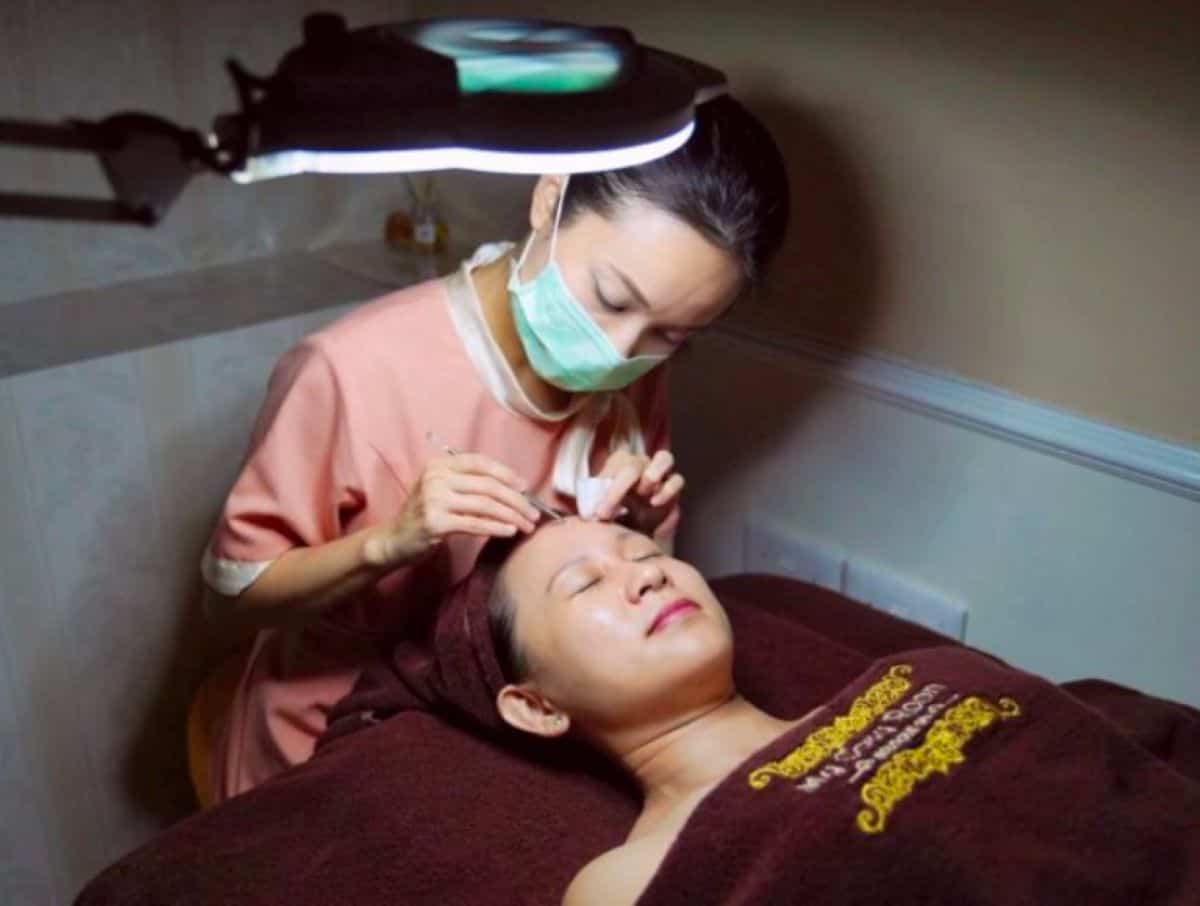
At My Cozy Room Beauty Spa, extraction facials have been at the heart of what we do for more than 15 years.
Clients who have previously experienced extremely painful extractions elsewhere are often surprised by how different a professional extraction can feel when the skin has been properly prepared and the therapist works patiently instead of aggressively.
That doesn’t mean every extraction is completely painless. Some stubborn blackheads and compacted pores will naturally cause brief moments of discomfort. However, there is a significant difference between temporary pressure and prolonged pain.
We’ve also learned that every client’s skin tells a different story. Some people develop congestion because of naturally oily skin, while others struggle with dehydration, hormonal fluctuations, cosmetics or environmental factors. Understanding why congestion develops is just as important as removing it, because preventing future blockages is what ultimately leads to healthier skin.
Perhaps most importantly, we’ve found that trust plays a major role in the facial experience. When clients understand what we’re doing, why we’re doing it and what they can realistically expect, the treatment becomes far less stressful and much more comfortable. If you are booking a men’s facial in Singapore after a painful extraction experience, tell your therapist what happened and speak up if any step feels uncomfortable.
How My Cozy Room’s Ultimate Pore Extraction Facial Is Different
Our Ultimate Pore Extraction Facial was developed around a simple philosophy: thorough extractions don’t have to come at the expense of your comfort.
Rather than rushing into manual extraction, the treatment begins by carefully preparing the skin. Cleansing, gentle exfoliation and skin-softening steps help loosen congestion before extraction begins, allowing stubborn impurities to be removed more efficiently and with less unnecessary force.
Our experienced therapists focus on technique rather than pressure. Every extraction is performed with the objective of clearing pores while respecting the surrounding skin, reducing the risk of excessive redness and irritation.
Following extraction, soothing technologies and carefully selected skincare products help calm the skin, replenish hydration and support the skin’s natural recovery process. This allows clients to enjoy cleaner pores while minimising downtime.
The result isn’t simply skin that feels cleaner after one appointment. It’s a treatment approach designed to support healthier skin over the long term through consistent professional care and personalised recommendations.
Frequently Asked Questions
Are facial extractions supposed to hurt?
Most people experience some pressure or mild discomfort, especially when stubborn congestion is removed. However, severe pain throughout the treatment should not be considered normal.
Why do some spas have much more painful extractions than others?
The comfort of an extraction depends on several factors, including how well the skin has been prepared, the therapist’s experience, the techniques used and the condition of your skin. Preparation and technique often make a significant difference.
Will my skin be red after an extraction facial?
Some temporary redness is completely normal, particularly after multiple extractions. For many people, it settles within a few hours or by the following day, although recovery varies depending on skin sensitivity.
Can I remove blackheads myself at home?
While pore strips and extraction tools are widely available, incorrect technique can irritate the skin, damage surrounding tissue and increase the risk of infection or scarring. Professional extractions are generally safer because they’re performed under hygienic conditions with appropriate skin preparation.
How often should I have extraction facials?
The ideal schedule depends on your skin type, level of congestion and long-term skincare goals. Some clients benefit from more frequent treatments initially before moving to a maintenance schedule as their skin improves.
Try Our Award-Winning Extraction Facial Today!
Facial extractions have earned a reputation for being painful, but discomfort and effectiveness are not the same thing. While clearing stubborn congestion may involve brief moments of pressure, a well-performed extraction should always prioritise the health of your skin rather than relying on excessive force.
The difference often comes down to preparation, technique and experience. A therapist who understands your skin knows when to extract, when to stop and how to help your skin recover afterwards. That’s why the best extraction facials aren’t necessarily the ones that hurt the most. They’re the ones that leave your skin looking clearer, calmer and healthier in the days and weeks that follow.
At My Cozy Room Beauty Spa, we believe that extraction facials should build confidence rather than anxiety. By combining thoughtful skin preparation, experienced therapists and personalised aftercare, our goal is to make every treatment as effective, comfortable and beneficial as possible, helping you achieve clearer skin without unnecessary trauma.

My Cozy Room is thrilled to share that our Ultimate Pore Extraction Facial has been crowned the Reader’s Choice Award Winner at the Beauty Insider Spa & Salon Awards 2025. Organised by Beauty Insider Singapore, the Spa & Salon Awards celebrate excellence in the beauty and wellness industry across Singapore and the region. Each award recognises treatments that stand out for their innovation, proven results, exceptional client satisfaction, and overall spa experience.
FIRST-TIME CUSTOMERS enjoy the award-winning Ultimate Pore Extraction Facial for only $144 (U.P. $338).
Exclusively for Singaporeans, PRs, and valid pass holders. Price is before 9% GST.
WhatsApp 8666 0030 to book your appointment today!
Keep up with My Cozy Room’s latest updates and promotions by following us on our social media pages:
Facebook | Instagram | Youtube | Lemon8

More from The Cozy Journal