
 Cart
Cart



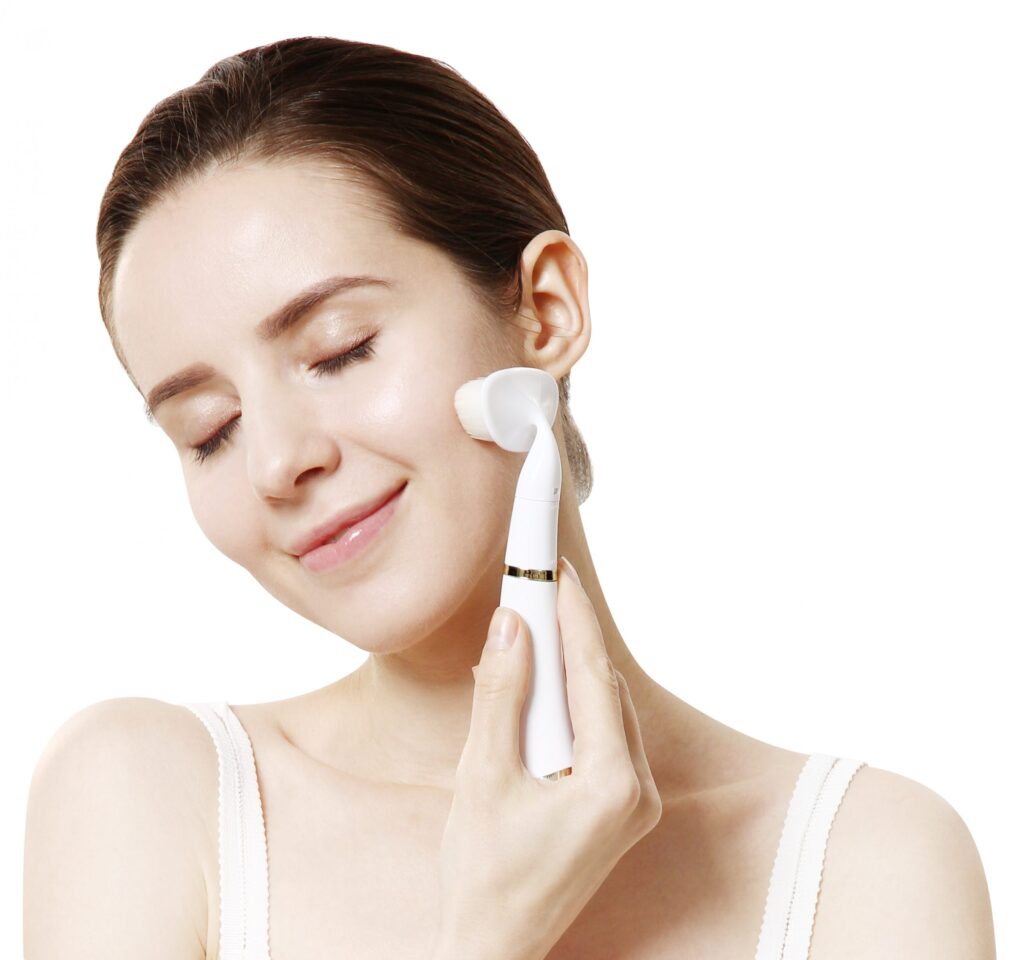
Facial cleansing brushes have had an interesting run in beauty. There was a time when every serious skincare routine seemed to include one, usually accompanied by claims of deeper cleansing, smaller-looking pores and impossibly smooth skin. Then skincare became much more focused on protecting the skin barrier, and cleansing brushes quietly acquired a reputation for being too harsh.
Neither view tells the whole story.
A cleansing brush can still be a useful addition to your routine, particularly if you wear sunscreen and makeup regularly or tend to feel oily and congested by the end of the day. The difference is that we now understand much better that scrubbing harder doesn’t necessarily mean cleansing better.
This matters in Singapore, where our skin has quite a lot to contend with on an ordinary day. There is humidity and perspiration outside, air-conditioning indoors, plus sunscreen, makeup and the natural oil our skin produces throughout the day. By evening, it is understandable that you might want something more thorough than a quick wash.
So, are facial cleansing brushes actually good for your skin? They can be, provided your skin tolerates them and you aren’t using one as though you’re trying to polish your face.
About This Guide
This guide looks at the four main benefits of facial cleansing brushes and, equally importantly, where those benefits end.
We’ll cover whether cleansing brushes really provide a deeper cleanse, what they can do for rough skin texture and clogged pores, and whether they actually help your skincare work better. We’ll also look at how often you should use one and why some skin types are better off without them.
Who Is This Guide For?
This guide is for anyone who already owns a facial cleansing brush, is thinking about buying one, or has an old one sitting somewhere in the bathroom and is wondering whether it is worth bringing back into their routine.
It is particularly relevant if you wear sunscreen or makeup every day, have oily or combination skin, or regularly deal with blackheads and mild congestion around the nose and T-zone.
If you have sensitive, acne-prone or easily irritated skin, there are a few additional things worth knowing before you start brushing.
Key Takeaways
- Cleansing brushes can make your evening cleanse feel more thorough, particularly when removing sunscreen, makeup, oil and daily buildup.
- The gentle physical exfoliation can leave rough or dull skin feeling temporarily smoother.
- They may help with mild surface congestion, but they cannot extract established blackheads or deeply clogged pores.
- Cleaner, smoother skin can make serums and moisturisers apply more evenly, although “better product absorption” is often overstated.
- Using a cleansing brush too frequently can leave the skin dry, sensitive and irritated.
- If you already use retinol, exfoliating acids or other active skincare, you may need to use a cleansing brush less often.
- A cleansing brush is useful for some people, but it is certainly not essential for good skin.
Benefit 1: It Can Make an Evening Cleanse Feel More Thorough
By the end of the day, there can be quite a lot sitting on the skin: sunscreen, makeup, sebum, perspiration and whatever has accumulated from being outdoors in Singapore’s heat and humidity.
A facial cleansing brush can make the cleansing step feel more thorough, particularly around areas such as the nose, chin and hairline where residue tends to linger. People who wear heavier makeup or water-resistant sunscreen may notice the difference more than someone with a very minimal routine.
It is still worth separating cleansing from makeup removal. If you are wearing several layers of complexion products, it is better to remove them properly first and then cleanse rather than expecting a brush to do everything in one pass.
The skin should also feel comfortable afterwards. A tight, hot or squeaky-clean feeling is usually a sign that too much friction or too much cleansing has been introduced.
Benefit 2: The Skin May Feel Smoother Afterwards
One of the first things people notice after using a cleansing brush is how smooth the skin can feel.
Part of that comes from removing surface residue more effectively, while the movement of the brush also gives a mild physical exfoliating effect. If the complexion has been feeling a little rough or dull, that can make the skin look fresher almost immediately and help makeup sit more evenly.
The temptation is to keep chasing that freshly polished feeling, which is where problems can start.
If you are already using retinoids, exfoliating acids or other active products, frequent use of a cleansing brush can push the skin into over-exfoliation surprisingly quickly. Tightness, flaking, increased sensitivity or products suddenly stinging are all signs that the skin may be getting more friction than it needs.
A cleansing brush should leave the skin feeling comfortable and smooth, not scrubbed.
Benefit 3: It May Help Keep Mild Congestion From Building Up
Cleansing brushes are often marketed alongside claims about blackheads and clogged pores, but this is one area where expectations need to stay realistic.
If congestion is partly related to sunscreen, makeup, oil and surface residue not being removed particularly well, improving the cleansing step may help reduce some of that buildup. In that sense, a brush can be useful as part of maintenance for skin that clogs easily.
What it cannot do is physically scrub an established blackhead out of a pore.
Blackheads and whiteheads form within the follicle, so repeatedly brushing the same area is unlikely to remove congestion that is already firmly in place. It may simply leave the skin around the nose irritated while the blackheads remain.
This is why we see cleansing brushes more as a maintenance tool than an extraction tool.
At My Cozy Room, many clients already cleanse carefully at home and still develop blackheads around the nose and chin. When that congestion has already formed, our Ultimate Pore Extraction Facial approaches it differently by first preparing and softening the skin before working through suitable blockages with careful manual extraction.
Benefit 4: Your Skincare May Sit More Comfortably Afterwards
You will sometimes see cleansing brushes promoted as a way to help skincare “penetrate deeper”, but that is a claim we would treat with some caution.
What a good cleanse can do is give you a cleaner, smoother surface for the rest of your routine. Once makeup, sunscreen, excess oil and surface residue are out of the way, serums and moisturisers can spread more evenly and may simply feel nicer to apply.
That does not mean the skin needs to be exfoliated aggressively beforehand. In fact, overusing a cleansing brush can have the opposite effect. If the barrier becomes irritated, products that usually feel comfortable may suddenly sting or burn.
Skincare does not need an over-polished surface to work properly. Clean, comfortable skin is enough.
How Often Should You Use a Facial Cleansing Brush?
There is no need to go from using your hands every night to suddenly using a cleansing brush twice a day.
If you’re new to one, start with once or twice a week and see what your skin thinks. Oily or more resilient complexions may eventually be comfortable using one more frequently, while dry and sensitive skin may prefer occasional use.
Your wider skincare routine matters too. Someone using a retinoid several evenings a week and an exfoliating acid on another night already has quite a lot happening. Adding daily physical exfoliation simply because the cleansing brush instructions say you can may not be particularly helpful.
Look at your skin rather than the recommended maximum usage on the box. If it is comfortable, smooth and behaving normally, you’re probably fine. If it starts becoming red, tight or unusually reactive, use the brush less often.
Can You Use a Cleansing Brush If You Have Acne?
It depends on the acne.
If your main issue is oily skin with some blackheads and mild congestion, a gentle cleansing brush may fit comfortably into your routine. If you have red, inflamed or painful acne, repeatedly brushing across those areas can be irritating.
This becomes even more relevant if you’re already using acne treatments that can make the skin dry or sensitive.
Acne-prone skin doesn’t necessarily need to be cleaned more aggressively. In fact, one of the most common things we see is someone trying to “clean away” their breakouts with stronger cleansers, more exfoliation and more frequent washing, only to end up with irritated skin on top of the original acne.
What About Sensitive Skin?
Sensitive skin deserves more caution. A soft silicone cleansing device may feel perfectly comfortable for one person and still be too much for another. If your skin flushes easily, regularly feels tight or is already irritated, there is very little reason to insist on using a cleansing brush.
You can cleanse your face perfectly well with clean hands and a suitable cleanser.
If you do want to try one, keep the pressure light and the frequency low. Your skin’s reaction over the following day or two will tell you much more than how beautifully smooth it feels immediately afterwards.
The Cleansing Brush Mistakes We See Most Often
The biggest mistake is simply doing too much. Using a cleansing brush morning and night, applying pressure because you want a “deeper” clean, and combining it with scrubs, exfoliating toners and retinoids can turn a perfectly useful skincare tool into a source of irritation.
Hygiene is another issue. Anything repeatedly exposed to cleanser, oil, dead skin and water needs to be cleaned and dried properly. Bristle heads also need replacing when they become worn.
And if you’re spending several minutes concentrating the brush on one stubborn blackhead, stop. That is not what the device is designed to do.
Do You Actually Need a Facial Cleansing Brush?
Not necessarily. Cleansing brushes can be useful, but they are not a requirement for clean or healthy-looking skin. If your current cleanser removes sunscreen and makeup properly, your skin feels comfortable afterwards and you are not dealing with persistent surface buildup, there may be very little reason to add another device to your routine.
Some people enjoy the extra sense of thoroughness a cleansing brush gives them, while others find that their skin becomes irritated or over-exfoliated with regular use. Both responses are perfectly normal.
The best reason to use one is simply that it makes your cleansing routine work better for your skin. If it does that without causing tightness, redness or sensitivity, it can be a useful addition. If not, a good cleanser and a consistent routine are more than enough.
When a Cleansing Brush Isn’t Enough for Clogged Pores
A good home cleansing routine can help prevent unnecessary buildup, but there is a point where more cleansing stops being the answer.
If your nose and chin still feel rough after cleansing, blackheads quickly become visible again or you have whiteheads sitting beneath the skin, those are signs that the issue may be established congestion rather than something left behind during washing.
That is where professional extraction serves a different purpose.
Our Ultimate Pore Extraction Facial is designed for clients dealing with blackheads, whiteheads and stubborn clogged pores. The skin is prepared before manual extraction, with soothing and hydrating steps afterwards so the treatment isn’t simply about removing as much as possible.
A cleansing brush can help maintain the skin between treatments. It just shouldn’t be expected to do the job of an extraction facial.
Frequently Asked Questions
Are facial cleansing brushes good for your skin?
They can be useful for removing surface buildup and providing gentle physical exfoliation, particularly for people who wear sunscreen and makeup regularly. Whether they suit you depends on your skin type and how frequently you use them.
Can cleansing brushes remove blackheads?
Not completely. They can help remove surface oil, dead skin and residue that may contribute to congestion, but an established blackhead sits within the pore and cannot simply be brushed away.
Can I use a facial cleansing brush every day?
Some skin types may tolerate frequent use, but daily brushing isn’t necessary for everyone. Starting once or twice a week is a more sensible way to see how your skin responds.
Do cleansing brushes make pores smaller?
No skincare device can permanently shrink your natural pore size. Removing surface buildup and keeping congestion under control may make pores look cleaner and therefore less noticeable.
Can cleansing brushes make acne worse?
They can irritate inflammatory or sensitive acne if used too aggressively. If your skin is already red, sore or reactive, additional physical exfoliation may not be helpful.
Are silicone facial cleansing brushes better than bristle brushes?
Silicone brushes tend to be easier to clean and often feel gentler, while bristle brushes provide more noticeable physical exfoliation. Neither is automatically better; the right choice depends on your skin.
Should I use a cleansing brush before or after removing makeup?
If you wear heavier makeup, remove it first rather than asking the cleansing brush to do everything. You can then use the device gently with your cleanser if your skin tolerates it.
Can I use salicylic acid and a cleansing brush together?
You can, but remember that you are combining chemical and physical exfoliation. If your skin becomes dry, tight, flaky or sensitive, reduce the frequency rather than adding more products to compensate.
So, Are Facial Cleansing Brushes Worth Using?
They can be. Their four biggest advantages are straightforward: they can make cleansing more thorough, leave the complexion feeling smoother, help with mild surface congestion and give skincare a cleaner, more even surface to sit on.
None of those benefits requires aggressive scrubbing.
Used occasionally and sensibly, a cleansing brush can be a perfectly useful bathroom tool. Used as an attempt to scrub away every blackhead, pore and patch of oil, it is much more likely to leave your skin irritated.
The best sign that your cleansing brush is working isn’t that your face feels squeaky clean afterwards. It’s that you barely have to think about it because your skin simply feels clean, comfortable and well looked after.
When Cleansing Alone Isn’t Enough
A cleansing brush can be useful for keeping surface buildup under control, but it has its limits. If blackheads, whiteheads and stubborn congestion are already sitting deeper in the pores, more brushing is unlikely to clear them.
That is where professional extraction can make more sense.
At My Cozy Room, our 22-Step Ultimate Pore Extraction Facial focuses on proper pore preparation, careful manual extraction and soothing post-extraction care. We work through suitable areas of congestion without relying on aggressive pressure or excessive friction.
If your skin still feels clogged despite a consistent cleansing routine, it may be worth having it assessed professionally rather than simply cleansing harder.
Book your Ultimate Pore Extraction Facial at My Cozy Room and give stubborn congestion the attention it needs today!