
 Cart
Cart



In Singapore, air-conditioning isn’t a luxury — it’s a daily essential. Offices, malls, cars, bedrooms. Most of the day is spent moving between cool indoor air and humid outdoor heat.
While AC keeps you comfortable, your skin may be telling a different story.
If your complexion has been feeling tight, dull, oilier than usual, or suddenly more sensitive, constant air-conditioning could be part of the reason. The changes are subtle at first, which is why many people don’t connect the dots until irritation or breakouts appear.
Here’s what’s actually happening — and how to keep your skin balanced, even if you live in AC.
How Air-Conditioning Affects Your Skin
1. AC pulls moisture out of the air and your skin
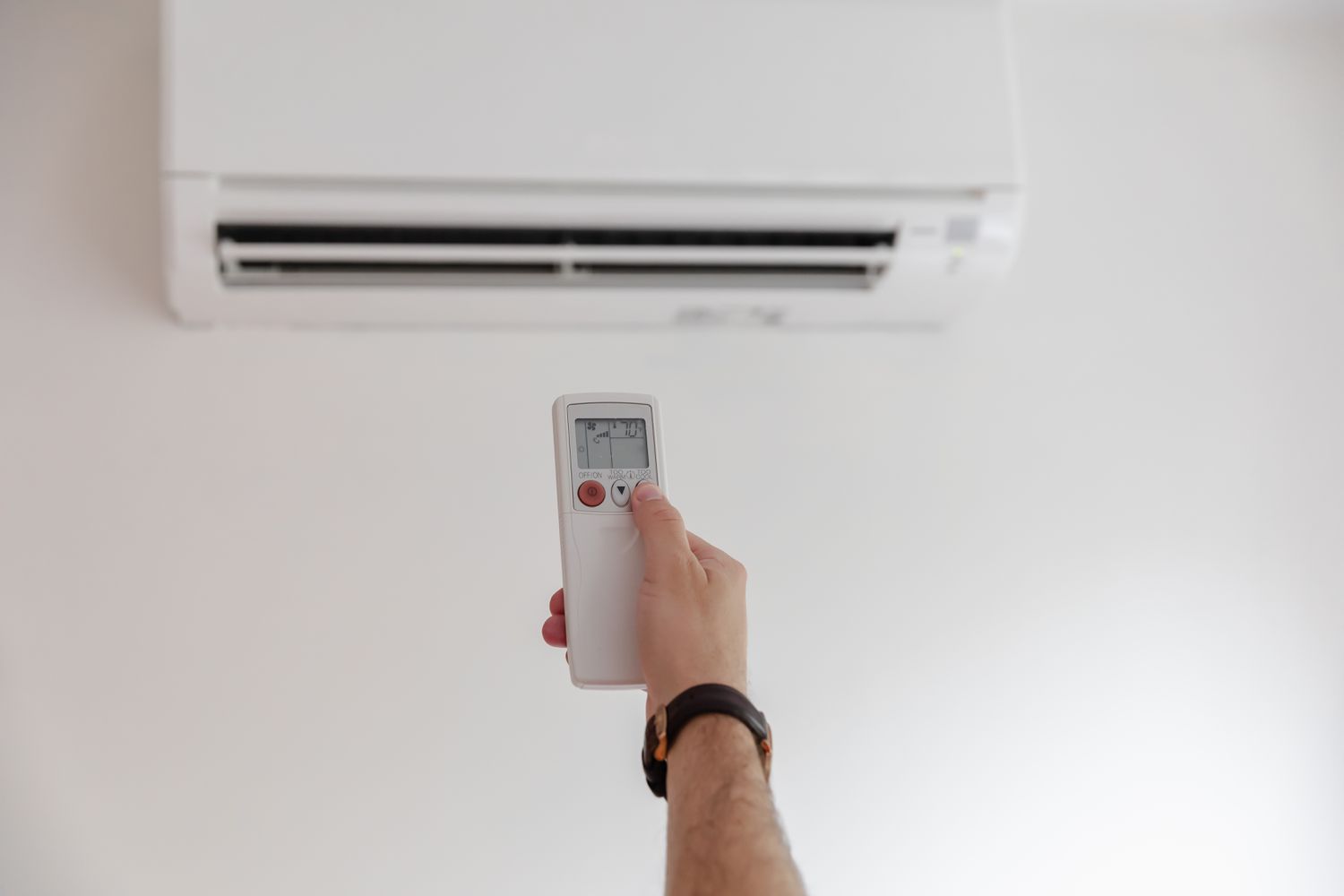
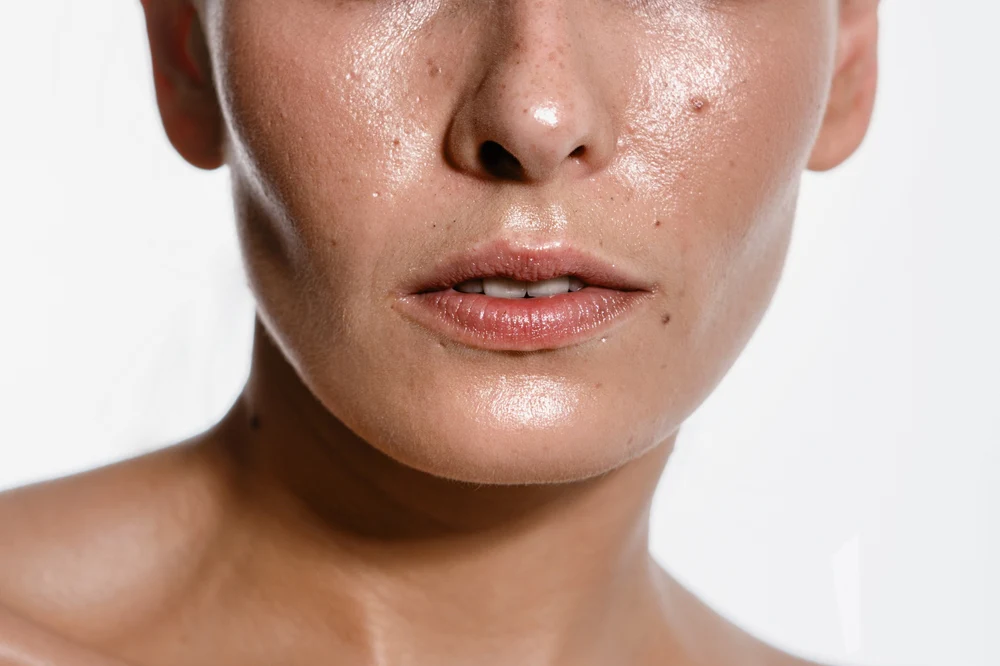
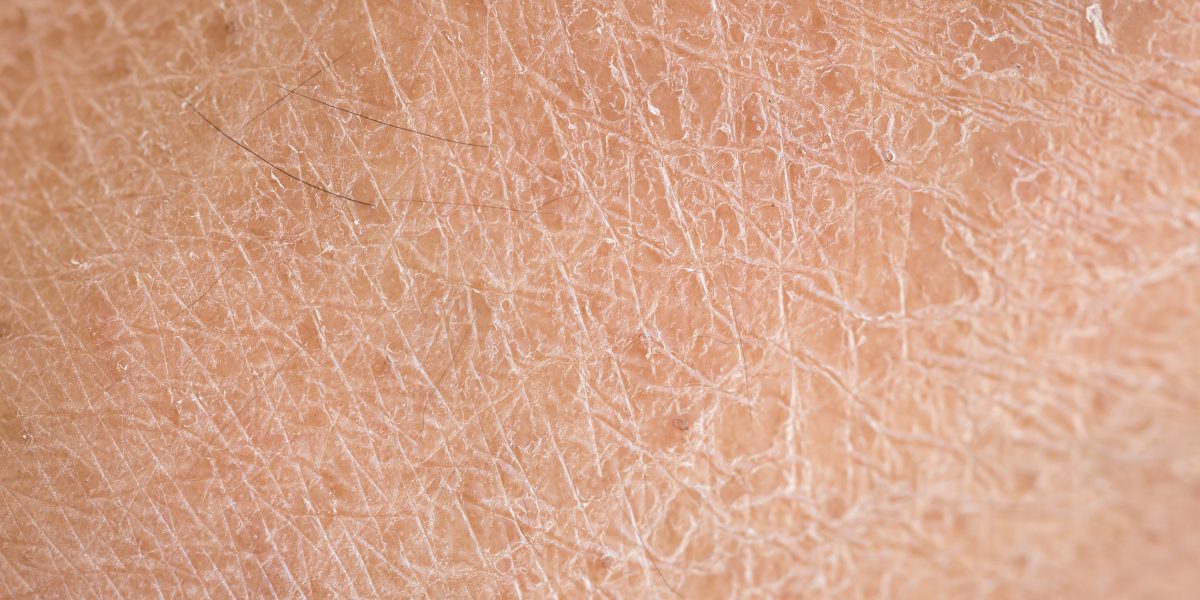
Air-conditioning drastically lowers humidity levels, creating a dry environment that pulls moisture out of your skin. Even if you don’t feel it immediately, this constant loss of hydration gradually weakens your moisture barrier. This is the protective layer that keeps your skin smooth, resilient, and balanced. When the air around you lacks moisture, your skin starts to show it. Many people first notice a feeling of tightness or a rougher skin texture after spending long hours in air-conditioned spaces. As dehydration worsens, flaking can appear around areas like the nose and cheeks, and fine dehydration lines become more visible. Your complexion may also look dull or fatigued, simply because your skin doesn’t have enough water to stay plump and radiant. Even oily or combination skin isn’t spared. Air-conditioning may make the surface feel greasy, but the deeper layers can still be dehydrated. This imbalance can confuse your skin into producing even more oil, leading to congestion, breakouts, and a compromised moisture barrier. Over time, this cycle can leave your skin both shiny and dehydrated — a common but often misunderstood condition called “dehydrated oily skin.” Understanding how AC affects your skin is the first step. The next is choosing the right treatments and skincare habits to restore moisture, strengthen your barrier, and keep your complexion healthy despite constant AC exposure.2. Your skin compensates by producing more oil
3. A weakened skin barrier leads to sensitivity
Spending long hours in air-conditioning — whether in offices, malls, or cars — can gradually weaken your skin’s protective barrier. When the air around you is constantly dry, your skin loses moisture faster than it can replenish it. Over time, this compromised barrier becomes more fragile and reactive. You might start to notice subtle changes at first: a bit of redness after cleansing, a light sting when applying skincare, or small areas of patchy irritation. As the barrier continues to weaken, breakouts may happen more frequently because the skin is struggling to defend itself against bacteria and inflammation. These are all signs that your skin is thirsty, stressed, and craving extra moisture and repair. It’s your skin’s way of telling you that it needs gentler care and deeper hydration to restore balance and resilience.4. AC can worsen existing skin conditions
If you already struggle with acne, eczema, rosacea, or dryness, constant AC exposure can make these conditions flare up. Reduced humidity affects the microbiome, alters oil production, and increases transepidermal water loss — a recipe for irritation.5. AC disrupts nighttime repair
Sleeping with the AC on — especially at very low temperatures — can dehydrate your skin much faster than you think. Throughout the night, the cold, dry air pulls moisture from the surface of your skin and disrupts its natural overnight repair cycle. As a result, you may wake up feeling unusually dry, tight, or even greasy as your skin tries to overcompensate for the moisture loss. Some people also notice increased roughness or small bumps in the morning. In most cases, the missing link is simple: hydration. When the skin is properly moisturised and supported, it’s far more resilient against the drying effects of air-conditioning.How to Protect Your Skin If You’re Always in AC

How My Cozy Room Helps Repair AC-Stressed Skin

Final Thoughts
Air-conditioning is unavoidable — especially in tropical climates — but the skin issues it creates don’t have to be. With the right skincare habits and targeted professional treatments, you can restore moisture, balance, and clarity to your complexion. If your skin feels tight, sensitive, oily, or breakout-prone after long hours indoors, it may be time to give it the moisture and care it deserves. My Cozy Room’s facials offer the ideal combination of pampering and clinical results to help your skin thrive in any environment.Air-Conditioning & Skin: Common Questions Answered
Does air-conditioning cause dry skin?
Yes. Air-conditioning lowers humidity levels, which increases water loss from your skin. Over time, this weakens the skin barrier and can lead to tightness, flaking, dullness, and dehydration lines — even if your skin type is normally oily.
Why does my skin feel oily after sitting in air-conditioning all day?
Dry air triggers your skin to produce more oil to compensate for moisture loss. This can leave your skin looking shiny while still being dehydrated underneath. It’s a common condition known as “dehydrated oily skin.”
Can air-conditioning cause acne?
Indirectly, yes. When skin becomes dehydrated, it may overproduce oil. Excess oil can mix with dead skin cells and clog pores, leading to blackheads, whiteheads, and breakouts — especially in humid climates like Singapore.
Why does my skin sting or turn red after being in AC?
Constant exposure to dry air can weaken your skin barrier. When the barrier is compromised, skin becomes more sensitive and reactive, which may cause redness, irritation, or stinging when applying skincare.
Does sleeping with air-conditioning on damage skin?
Sleeping in strong AC — especially at very low temperatures — can increase overnight moisture loss. If skin isn’t properly hydrated before bed, you may wake up feeling dry, tight, or even oilier as your skin tries to rebalance itself.
How can I protect my skin from air-conditioning?
Focus on hydration and barrier repair. Use gentle cleansers, hydrating serums with ingredients like hyaluronic acid or panthenol, and moisturisers containing ceramides or squalane. Avoid over-cleansing or harsh exfoliation, which can worsen dehydration.
Can professional facials help repair AC-damaged skin?
Yes. If dehydration has led to congestion, sensitivity, or breakouts, professional treatments can help restore balance. At My Cozy Room, facials are designed to replenish moisture, strengthen the skin barrier, and gently clear clogged pores without increasing irritation — especially important for those exposed to air-conditioning daily in Singapore.
How often should I get a facial if my skin is stressed from AC?
For most people, every 4–6 weeks helps maintain hydration and prevent congestion buildup. If skin is very dehydrated or reactive, a therapist may recommend a tailored plan to rebuild resilience gradually.
Try Our Award-Winning Extraction Facial Today!