
 Cart
Cart



Few skincare habits are as tempting as squeezing a pimple. Almost everyone has stood in front of the mirror, noticed an unwelcome breakout, and convinced themselves that a quick squeeze will solve the problem. It often feels satisfying in the moment, especially when the contents of the pimple appear to come out. However, what many people don’t realise is that squeezing a pimple rarely addresses the root of the problem and can often make the situation significantly worse.
While it may seem like you’re removing the blockage, improper extraction can push bacteria, oil, and debris deeper into the skin. This creates additional inflammation beneath the surface and increases the likelihood of redness, pigmentation, and even permanent acne scarring. In many cases, the marks left behind by squeezing a pimple can remain visible far longer than the original blemish itself.
For individuals who regularly struggle with blackheads, whiteheads, clogged pores, or recurring breakouts, understanding why pimples should not be squeezed is one of the most important steps towards achieving healthier skin.
Why Squeezing Pimples Often Makes Acne Worse
When a pimple forms, it is usually the result of excess oil, dead skin cells, bacteria, and inflammation becoming trapped inside a pore. Although it may appear that applying pressure will simply remove the blockage, the reality is often far more complicated.
The pressure applied during squeezing rarely travels in just one direction. While some of the contents may emerge through the surface opening, a portion is often forced deeper into the surrounding tissue. This can rupture the pore wall and spread inflammation beneath the skin, causing the blemish to become larger, redder, and more painful than before.
Many people experience this firsthand. What begins as a relatively small pimple can quickly develop into a swollen bump that takes days or even weeks to settle. In some cases, squeezing can trigger a chain reaction that leads to multiple breakouts in the surrounding area as bacteria and inflammatory material spread to neighbouring pores.
This is one of the key reasons skincare professionals consistently advise against picking and squeezing blemishes at home. The short-term satisfaction is rarely worth the longer healing time that often follows.
Can Popping Pimples Cause Scars?
One of the most common questions asked by individuals with acne-prone skin is whether popping pimples can cause permanent scars. Unfortunately, the answer is yes.
Acne scars develop when inflammation damages the skin’s deeper structures, particularly the collagen that helps keep the skin smooth and even. When a pimple is squeezed aggressively, the surrounding tissue can tear under pressure. This additional trauma increases the risk of collagen damage and may leave behind depressions or uneven texture once the skin heals.
Even when permanent scarring does not occur, many people experience post-inflammatory hyperpigmentation. These dark marks can linger for several months, particularly in individuals with medium to darker skin tones. While pigmentation will usually fade over time, prevention is always easier than treatment.
This is why dermatologists and skincare professionals often emphasise that the greatest danger of squeezing pimples is not the temporary redness it causes today, but the long-term marks that may remain long after the breakout itself has disappeared.
Why Professional Extractions Are Different
Some people assume that professional extractions are simply a more controlled version of squeezing pimples at home. In reality, the two experiences are completely different.
A trained therapist understands how to prepare the skin before attempting any extraction. Rather than applying force immediately, the skin is first softened using techniques that loosen congestion and make it easier for impurities to be removed naturally. This preparation significantly reduces the amount of pressure required and helps minimise unnecessary trauma to the skin.
Equally important is knowing which blemishes should not be extracted. Not every pimple is suitable for removal, particularly deep inflamed lesions or cystic acne. An experienced therapist can assess the condition of the skin and determine which areas can be treated safely without increasing irritation or scarring.
This level of expertise is difficult to replicate at home, which is why professional extractions tend to produce clearer results with significantly lower risk.
A Gentler Approach to Clearing Congested Skin
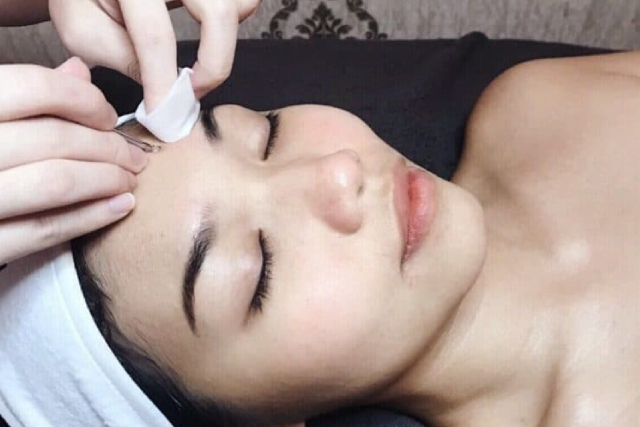
At My Cozy Room, we frequently meet clients who arrive with skin that has become inflamed after months or even years of squeezing blackheads and pimples themselves. Many are surprised to learn that clearer skin often comes not from being more aggressive, but from being more patient and strategic.
Our award-winning Ultimate Pore Extraction Facial is built around this philosophy. Rather than forcing impurities out of the skin, we focus on preparing the pores properly before extraction begins. Congestion is softened using specialised enzyme treatments that help loosen debris within the pores, allowing extractions to be performed with minimal discomfort and significantly less trauma.
The treatment is then followed by soothing and restorative therapies designed to calm the skin, reduce redness, and support recovery. This combination helps clients achieve clearer skin while minimising the risk of pigmentation, irritation, and post-acne marks.
For many individuals struggling with blackheads, clogged pores, and recurring breakouts, this professional approach provides a safer and more effective alternative to the cycle of squeezing, inflammation, and scarring that often accompanies at-home extraction attempts.
Frequently Asked Questions About Popping Pimples and Professional Extractions
Should I pop my pimples before a facial?
No. It is best to leave your pimples untouched before your facial appointment. Attempting to squeeze pimples yourself can increase inflammation, cause redness, introduce bacteria into the skin, and make professional extractions more difficult. In some cases, recently picked pimples may become too irritated to extract safely. Allowing your therapist to assess and treat the congestion professionally helps minimise the risk of scarring and ensures better results.
Is it ever safe to pop a pimple at home?
While some superficial whiteheads may eventually drain on their own, most skincare professionals advise against popping pimples at home. Without proper skin preparation, sterilised tools, and professional technique, it is easy to push bacteria and debris deeper into the skin. This can worsen inflammation, prolong healing, and increase the risk of acne scars or pigmentation.
Can popping pimples make acne worse?
Yes. Squeezing a pimple can damage the surrounding skin tissue and spread bacteria into nearby pores. This often leads to increased redness, swelling, and additional breakouts. What starts as a small blemish can sometimes become a larger, more inflamed lesion after being picked or squeezed.
How do I know if a pimple should be professionally extracted?
Blackheads, whiteheads, and certain clogged pores can often be safely extracted by a trained therapist. However, deeper cystic acne, inflamed nodules, and severely irritated blemishes may require a different treatment approach. A professional skin assessment can determine whether extraction is appropriate for your specific skin condition.
Can professional extractions help prevent acne scars?
Professional extractions can help reduce the likelihood of acne scars by removing congestion in a controlled and hygienic manner before it develops into more severe inflammation. While no treatment can guarantee scar prevention, proper extraction techniques are generally much safer than attempting to remove blemishes at home.
What should I do if I accidentally popped a pimple?
If you have already squeezed a pimple, avoid continuing to pick at the area. Cleanse the skin gently, apply soothing products that support healing, and avoid harsh exfoliants or active ingredients that may further irritate the skin. Most importantly, protect the area with sunscreen, as freshly inflamed skin is more prone to developing pigmentation.
How long does a popped pimple take to heal?
The healing time varies depending on the severity of the inflammation and the amount of trauma caused. A minor blemish may recover within a few days, while a heavily squeezed pimple can take several weeks to fully heal. If pigmentation develops, the visible mark may persist for several months before fading.
What is the difference between a blackhead and a pimple?
A blackhead is a clogged pore that remains open at the surface, causing the trapped oil and debris to oxidise and appear dark. A pimple occurs when a clogged pore becomes inflamed and infected, resulting in redness, swelling, and sometimes pus formation. Both can benefit from professional treatment, but the extraction techniques used may differ.
How often should I get professional extractions?
The ideal frequency depends on your skin condition and level of congestion. Individuals with acne-prone or heavily congested skin often benefit from treatments every three to four weeks initially. Once the skin becomes clearer, maintenance treatments can usually be scheduled every four to eight weeks.
What makes My Cozy Room’s Ultimate Pore Extraction Facial different?
At My Cozy Room, extractions are never rushed or forceful. Our award-winning Ultimate Pore Extraction Facial begins with specialised enzyme softening treatments that loosen congestion before extraction starts. This allows impurities to be removed more gently and comfortably, reducing trauma to the skin. The treatment is completed with calming therapies that help minimise redness and support recovery, making it a popular choice for clients concerned about acne, congestion, pigmentation, and post-extraction marks.
Can I wear makeup after an extraction facial?
It is generally recommended to allow your skin some time to recover before applying makeup. If makeup is necessary, choose non-comedogenic products and ensure all brushes and applicators are clean. Giving the skin several hours to breathe can help optimise recovery and reduce the risk of irritation.
When should I seek professional help for acne?
If you experience recurring breakouts, persistent congestion, acne that leaves dark marks, or frequent urges to pick at your skin, it may be time to seek professional guidance. Early intervention can often prevent worsening inflammation and reduce the likelihood of long-term scarring.