
 Cart
Cart




About This Guide
Treating acne when you also have sensitive skin can be frustrating. The products designed to clear clogged pores and reduce breakouts are often the same ones that can leave a reactive complexion feeling dry, tight or uncomfortable.
The answer isn’t necessarily to avoid acne treatment altogether. It is usually a matter of finding a routine your skin can tolerate consistently, rather than cycling between aggressive acne products and soothing products every time irritation appears.
This guide looks at how to approach acne when your skin is easily irritated, from choosing suitable active ingredients to managing blackheads, maintaining hydration and knowing when professional treatment or a dermatologist may be more appropriate.
Who Is This Guide For?
This guide is for anyone whose skin seems to be both acne-prone and sensitive. You may have blackheads and whiteheads but find that exfoliating acids quickly make your face sting, or perhaps your T-zone becomes oily and congested while your cheeks feel dry and reactive.
It is also relevant if you’ve found yourself repeatedly switching acne products because nothing seems to clear your skin without irritating it.
If your acne is deep, painful, widespread or beginning to scar, however, sensitive skincare alone may not be enough. Those concerns are better assessed by a dermatologist.
Key Takeaways
- Acne-prone skin can also be sensitive, dehydrated or have an irritated skin barrier.
- Stronger acne treatments aren’t automatically more effective, particularly if irritation prevents you from using them consistently.
- Salicylic acid can be useful for blackheads and whiteheads because it helps unclog pores, but sensitive skin may need a gentler frequency or formulation.
- Benzoyl peroxide is an established acne treatment, although it can cause dryness and irritation. Lower strengths and less frequent application may be easier for some sensitive complexions to tolerate.
- Azelaic acid is another ingredient worth discussing with a dermatologist, particularly when acne and post-acne marks are concerns.
- Moisturiser remains important even when your skin is oily or acne-prone, especially when using potentially drying acne treatments.
- Blackheads and whiteheads may be suitable for professional extraction, while inflamed or cystic acne shouldn’t simply be squeezed.
- Introducing several acne treatments simultaneously makes it much harder to identify what is irritating your skin.
Best Skincare Ingredients For Acne-Prone and Sensitive Skin
MicroSilver BG™
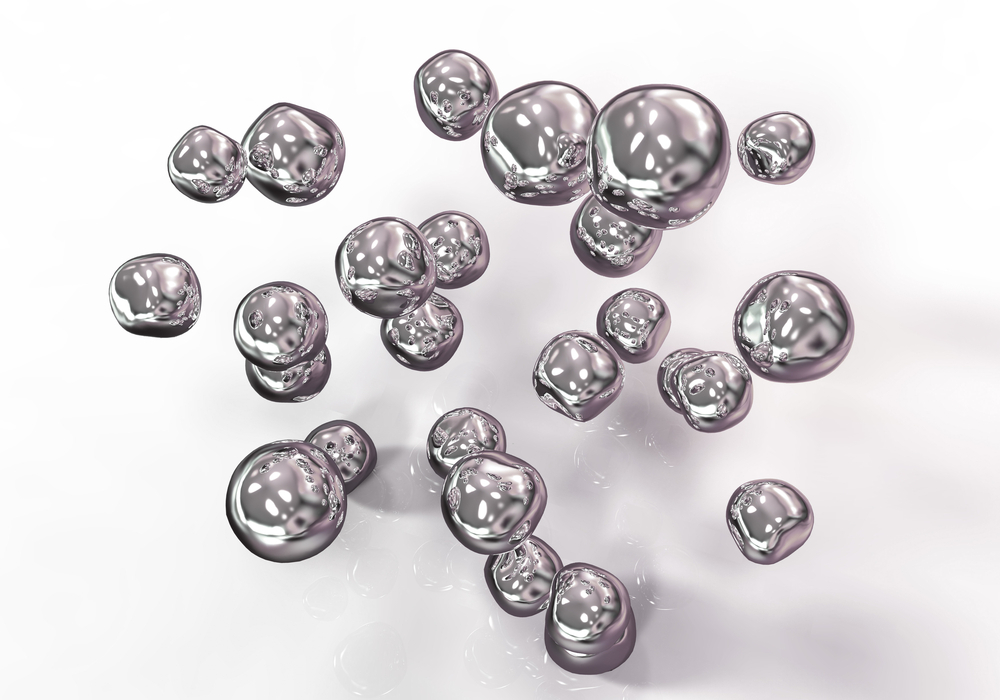
Microsilver has been a relatively hidden gem in the Asian skincare market. However, it has already been making waves in European skincare as the best anti-acne ingredient for sensitive skin patients. Not to be confused with “nanosilver” which is known to have negative side effects on your skin. The silver ions released by microsilver only remain in the uppermost skin layer and can be used on irritated skin safely.
It is a pure silver powder consisting of highly porous and micro-size grade silver. The positively charged silver ions generated can inactivate crucial structures on surfaces of bacteria. This effectively prevents bacterial growth and supports the regeneration of healthy and radiant skin. A clinical trial conducted has shown that the antibacterial properties of silver have effectively reduced the occurrence of acne after applying products with MircroSilver BG™ twice daily for eight weeks. The best part? There were no adverse effects recorded in any of the participants!
In other medical researches, combining microsilver into skincare solutions showed that microsilver had high anti-microbial and anti-bacterial activities. This removes impurities in the skin and reduces inflammation, thus restoring it to health. Microsilver is also very gentle to the skin and is rarely shown to be a skin irritant. Compared to traditional acne-fighting products that can be harsh and drying on your skin – consequently even worsening your skin condition. Microsilver is undoubtedly the best ingredient when it comes to acne-fighting ingredients that work for sensitive skin.
Witch Hazel

Witch hazel acts as an astringent in skincare, which means that it helps to cleanse your skin and tighten your pores. As we age, the collagen production in our skin slows down, loses its elasticity and starts to sag. As a result, your pores appear larger. Witch hazel contains tannins which cause proteins in your skin to contract. This tightens your skin temporarily, giving it a smooth and clear look.
On top of that, witch hazel is an essential ingredient if you suffer from oily skin or acne-prone skin. As an astringent, it is able to penetrate your pores and clear the impurities effectively! This will help to prevent your pores from clogging up and becoming inflamed.
Green Tea Extract
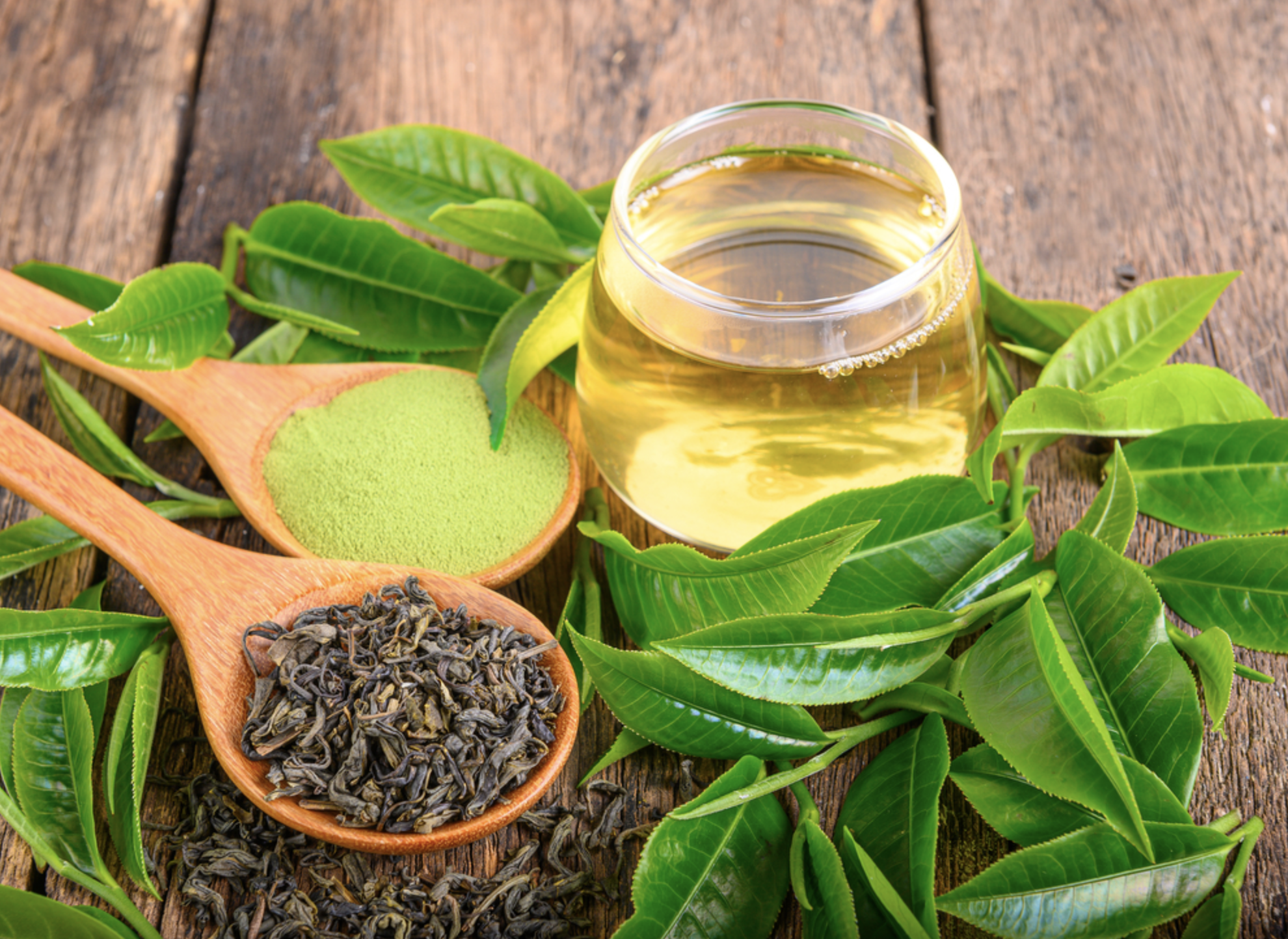
As a powerhouse skincare ingredient, green tea has many benefits because of its anti-bacterial and anti-inflammatory properties that make it suitable to fight the root cause of skin problems: inflammation of the skin. Experts say that green tea is suitable for all skin types and can soothe irritated and red skin, as well as inflammation in skin conditions like eczema.
Medical studies have suggested that polyphenols, which can be found in green tea can inhibit sebum production in the skin, treating and preventing acne. In another study, EGCG (green tea’s most abundant polyphenol) reactivated dying skin cells in the epidermis layer, improving many skin conditions like wrinkles, uneven skin texture and even prevent acne scarring.
Salicylic Acid
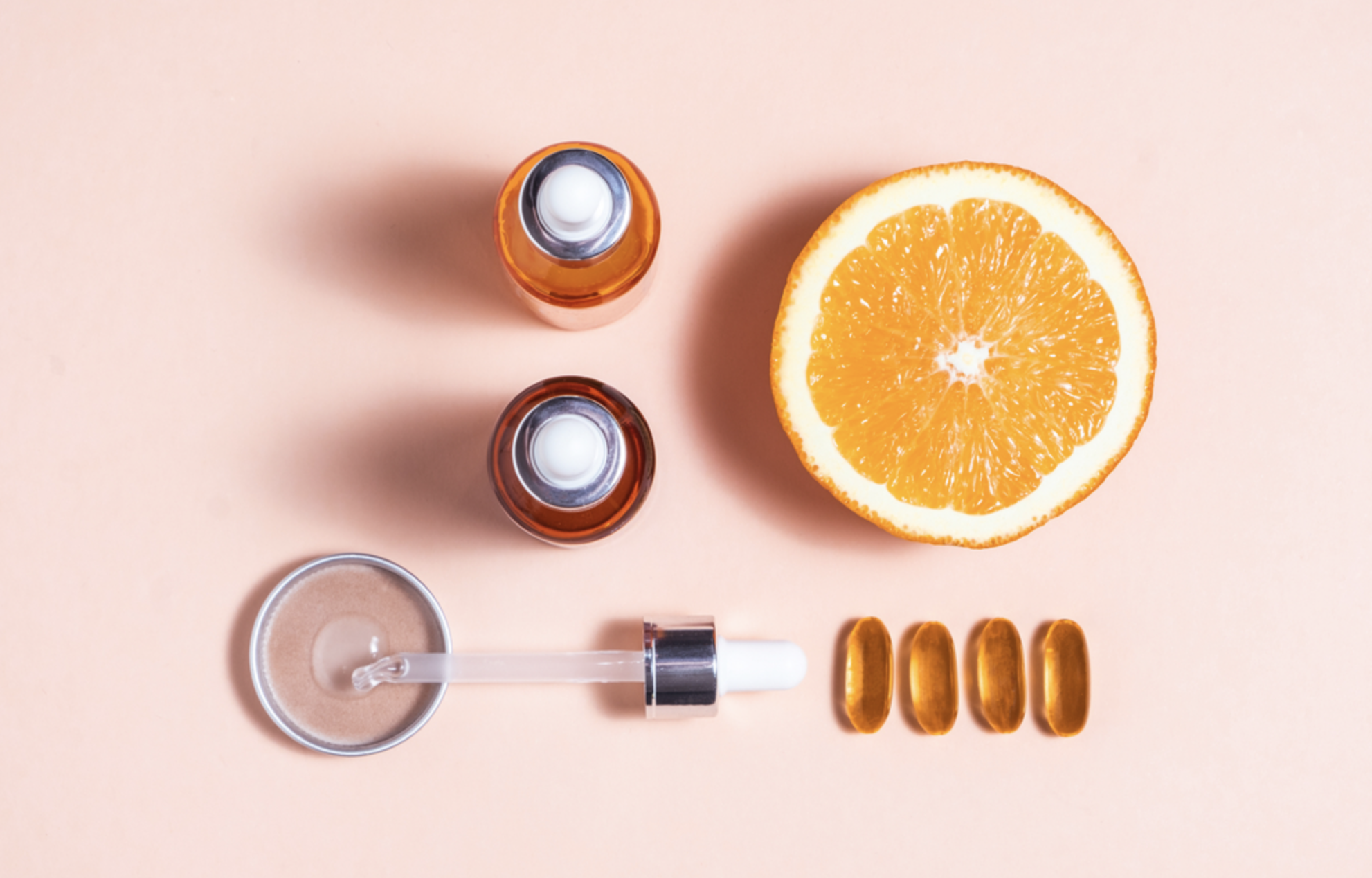
Salicylic acid is a common ingredient commonly found in over-the-counter skincare products targeted at treating acne. It is so common that you probably have used an anti-acne product containing salicylic acid before! This beta-hydroxy acid (BHA) is a chemical exfoliant that effectively clears the surface of your skin of excess oil, impurities and dead skin cells. As a result, salicylic is very useful for deep cleaning clogged pores and thus, clearing mild and superficial acne like blackheads and whiteheads.
Can You Have Sensitive and Acne-Prone Skin at the Same Time?
Absolutely, and the combination is more common than people sometimes realise.
Acne-prone skin is often associated with oiliness, which can create the impression that it should be able to tolerate strong cleansers, acids and drying treatments. In reality, an oily complexion can still become dehydrated or irritated.
You might notice this when your forehead and nose become shiny during the day while your cheeks feel tight after cleansing. Your pores may still clog easily, yet applying another acne treatment makes the skin sting or turn red.
This can become a difficult cycle. More breakouts lead to more cleansing and exfoliation, which leaves the skin increasingly uncomfortable, while the original congestion remains.
When acne-prone skin is already sensitive, how much treatment the complexion can comfortably tolerate becomes just as important as which acne ingredient you choose.
Why Acne Treatments Can Be Difficult for Sensitive Skin
Many effective acne ingredients can cause dryness or irritation, particularly when first introduced. Benzoyl peroxide, salicylic acid and topical retinoids are all established acne treatments, but that doesn’t mean every complexion will tolerate the same strength or frequency.
Problems also arise when several active ingredients appear across one routine. You may be using a salicylic acid cleanser, exfoliating toner and retinol without thinking of yourself as someone who exfoliates particularly often.
For sensitive skin, it can be more sensible to introduce one active at a time and allow enough time to see how the complexion responds. If your skin becomes persistently tight, flaky or uncomfortable, continuing to add stronger products in an attempt to clear the acne faster can make the routine increasingly difficult to tolerate.
Should Sensitive Acne-Prone Skin Use Salicylic Acid?
Salicylic acid can be particularly useful when your acne consists mainly of blackheads, whiteheads and clogged pores. It works by helping to unclog pores and exfoliate accumulated skin cells, which is why it appears in so many products for congestion.
Sensitive skin doesn’t necessarily need to avoid it completely, but frequency and formulation matter. Using salicylic acid in several products at once, or combining it immediately with other strong actives, may be more than your complexion comfortably tolerates.
If you’re new to acids, there is little advantage in beginning with the most intensive routine possible. Consistent use at a level your skin tolerates is generally more useful than repeatedly stopping treatment because your face has become irritated.
What About Benzoyl Peroxide?
Benzoyl peroxide is widely used for acne because it reduces acne-associated bacteria and can be particularly helpful for inflammatory pimples. It is also well known for causing dryness, peeling or irritation in some people.
For sensitive skin, the solution may involve using a lower concentration or applying it less frequently rather than assuming you need the strongest formula available. The American Academy of Dermatology specifically suggests starting with 2.5% benzoyl peroxide for adult acne to help reduce the likelihood of irritation.
If you’re already using prescription acne medication, however, it is better to follow your doctor’s instructions rather than changing the frequency or combining additional active ingredients yourself.
Don’t Forget About Azelaic Acid
Azelaic acid doesn’t receive quite as much attention in everyday skincare conversations as salicylic acid or retinol, but it is an established acne treatment.
It can help keep pores clear, reduce acne-associated bacteria and calm inflammation. It can also be useful for the dark marks that remain after pimples have healed.
That combination can make it worth discussing when someone is dealing with both active breakouts and post-acne pigmentation.
As with any active ingredient, having sensitive skin doesn’t guarantee that a product will be irritation-free. Introduce it carefully and pay attention to how your own complexion responds.
Moisturiser Isn’t the Enemy of Acne-Prone Skin
People with acne often become wary of moisturiser, particularly when their complexion already feels oily by lunchtime.
Yet acne treatments themselves can be drying. Benzoyl peroxide, salicylic acid and retinoids can all leave the complexion more irritated, and moisturiser can help the skin tolerate these treatments more comfortably.
The important part is finding a texture that suits your skin. In Singapore’s humid climate, many acne-prone complexions prefer lighter lotions or gel creams rather than very rich textures.
Your moisturiser doesn’t need to make the skin feel coated. It should simply leave it comfortable enough that cleansing and acne treatments aren’t creating a constant feeling of tightness.
Be Careful With the “Dry the Pimple Out” Mentality
There is a persistent idea that acne needs to be dried out as quickly as possible.
It explains the appeal of strong spot treatments, alcohol-heavy toners, repeated clay masks and washing the face whenever it starts feeling oily. The immediate result can be satisfying because the complexion feels exceptionally clean.
Sensitive skin often doesn’t respond particularly well to this approach.
Acne is not simply a problem of having too much moisture in the skin, and making the entire face extremely dry doesn’t necessarily stop pores from becoming clogged. If anything, you can end up managing acne alongside flaking, redness and an uncomfortable skin barrier.
Can Sensitive Skin Still Have Extractions?
Yes, provided there is suitable congestion to extract and the skin is handled carefully.
Blackheads and whiteheads are clogged pores, and established comedones may sometimes benefit from professional extraction. Dermatologists also use comedone extraction as an option for stubborn blackheads and whiteheads.
With sensitive skin, preparation becomes particularly important. Trying to force out stubborn congestion with excessive pressure can leave the surrounding area unnecessarily red and irritated.
Inflamed acne is another matter. Deep, painful or cystic blemishes shouldn’t be treated as though they are stubborn blackheads waiting to be squeezed. The American Academy of Dermatology specifically advises against popping deep, painful pimples and recommends seeing a dermatologist when multiple deep lesions develop.
When Your Acne Routine May Be Too Aggressive
A little dryness can occur when introducing certain acne treatments, but your entire skincare routine shouldn’t leave your face permanently uncomfortable.
Pay attention when your skin starts behaving differently from usual. Cleansers that never bothered you suddenly sting. Moisturiser burns when applied. Your cheeks remain red long after washing, or the complexion becomes persistently flaky despite still producing plenty of oil.
At that point, adding another exfoliating acid because the acne hasn’t disappeared is unlikely to make the situation simpler.
It may be worth reviewing how many active ingredients you’re using, how frequently you’re exfoliating and whether you’ve been treating every area of your face as though it has the same level of acne.
Treat the Congestion Without Treating the Whole Face as a Problem
Sensitive, acne-prone skin is rarely identical from forehead to chin.
You may have a heavily congested nose, a few whiteheads along the chin and cheeks that are relatively clear but easily irritated. Applying the strongest acne treatment across every centimetre of the face can therefore create problems in areas that weren’t particularly troublesome to begin with.
This is something we also consider during professional facials. Extraction should concentrate on suitable congestion, while areas that need hydration or calming care can be treated differently.
The aim isn’t to make every part of the complexion feel equally “deep cleaned”, but to respond to what is actually happening in each area.
Our Approach to Sensitive, Congested Skin at My Cozy Room
At My Cozy Room, we often see clients who describe themselves as oily and acne-prone but whose skin is also noticeably dehydrated or sensitive.
When blackheads and whiteheads are the main concern, our approach is to prepare the skin properly before performing careful manual extraction rather than relying on excessive pressure. With sensitive complexions, we’re particularly conscious of how much extraction the skin can comfortably handle in one appointment.
Our Ultimate Pore Extraction Facial also includes soothing and hydrating care after extraction, because clearing the pores shouldn’t leave the rest of the complexion feeling stripped.
With regular clients, we pay attention to what happens between appointments too. If blackheads are returning more slowly, the skin feels less reactive and there is progressively less congestion to extract, those changes give us a much better indication of how the complexion is doing.
When Sensitive Acne Needs a Dermatologist
Facials and over-the-counter skincare have their limits.
If you’re experiencing deep or painful acne, recurring cysts or nodules, widespread inflammation or acne that is beginning to scar, it is worth seeing a dermatologist rather than continuing to experiment with stronger skincare. Dermatologists have prescription options that can address acne in ways cosmetic treatments cannot.
The same applies if your “sensitivity” has become persistent. Ongoing redness, burning or irritation may have causes beyond simply using the wrong moisturiser, and getting an accurate assessment can save months of trial and error.
Frequently Asked Questions About Acne and Sensitive Skin
What is the best acne treatment for sensitive skin?
There isn’t one ingredient that is universally best for sensitive acne-prone skin. Treatment depends on whether you’re dealing mainly with clogged pores, inflammatory pimples or more severe acne. Salicylic acid, benzoyl peroxide, retinoids and azelaic acid are among the established topical acne treatments, but sensitive skin may require careful selection of strength and frequency.
Is salicylic acid suitable for sensitive skin?
Some sensitive complexions can use salicylic acid successfully. It is particularly useful for blackheads and whiteheads because it helps unclog pores. If your skin becomes irritated easily, avoid introducing several exfoliating products simultaneously.
Should I moisturise if I have oily, acne-prone skin?
Yes. Acne-prone skin still needs adequate hydration, particularly when you’re using treatments that can cause dryness. Look for a moisturiser that suits your complexion and is labelled non-comedogenic or won’t clog pores.
Can I exfoliate sensitive acne-prone skin?
You can, but more exfoliation isn’t necessarily better. If you’re already using salicylic acid, retinoids or other active treatments, adding multiple exfoliating products can increase irritation.
Can I get an extraction facial if I have sensitive skin?
Sensitive skin can still have blackheads and whiteheads suitable for extraction. The condition of the skin and type of breakout should be assessed first, and inflamed or painful acne shouldn’t simply be aggressively squeezed.
Why does my acne skincare sting?
Stinging can occur when a product irritates your skin, particularly when you’re using several active ingredients or your skin barrier is already compromised. Persistent burning, redness or discomfort is a reason to stop experimenting and seek professional advice.
How long should I give an acne treatment to work?
Acne treatments generally require consistency rather than a few days of use. The AAD advises giving treatments around six to eight weeks to see improvement in many cases, while some treatments take longer to produce their full effect.
Should sensitive skin avoid retinol?
Not automatically. Topical retinoids are established acne treatments, and irritation can sometimes be managed by adjusting how they are used under a dermatologist’s guidance. If your skin is highly reactive or you’re already using other acne medication, seek professional advice before adding one.
The Best Acne Routine for Sensitive Skin Is One You Can Actually Maintain
Sensitive, acne-prone skin can make skincare feel like a balancing act. You want to keep pores clear without leaving the complexion tight, and treat breakouts without spending the following week trying to calm irritation.
A complicated routine isn’t necessarily the answer. Start with gentle cleansing, appropriate hydration and sun protection, then introduce acne treatments according to the type of breakout you’re actually dealing with. When blackheads and whiteheads are the main concern, ingredients or professional treatments that address congestion may be useful. More persistent inflammatory acne may need a dermatologist’s help.
Most importantly, give your skin time. Changing products every few days or escalating to stronger treatments whenever a pimple appears makes it much harder to work out what your complexion actually tolerates.
Give Sensitive, Congested Skin the Right Kind of Care
If your sensitive skin is also struggling with blackheads, whiteheads or recurring clogged pores, professional extraction can help clear existing congestion without relying on increasingly strong products at home.
My Cozy Room’s Ultimate Pore Extraction Facial combines careful skin preparation with meticulous, gentle manual extraction, followed by soothing and hydrating care to keep the complexion comfortable after treatment.
With many accolades and rave reviews from customers and lifestyle publications alike, My Cozy Room has been a consistent mainstay as one of the best extraction facial places in Singapore. If you’re looking for a good extraction facial experience, book your appointment today!
FIRST-TIME CUSTOMERS enjoy the award-winning Ultimate Pore Extraction Facial for only $144 (U.P. $338).
Exclusively for Singaporeans, PRs, and valid pass holders. Price is before 9% GST.
WhatsApp 8666 0030 to book your appointment today!
Keep up with My Cozy Room’s latest updates and promotions by following us on our social media pages:
Facebook | Instagram | Youtube | Lemon8